The Living Savanna of Greater Amboseli
The Amboseli ecosystem spans 1.3 million acres (5,700 km²) across southern Kenya, where Mount Kilimanjaro’s subterranean snowmelt springs nourish perennial freshwater swamps in an arid savanna. Coordinated by Amboseli Ecosystem Trust, it unites indigenous Maasai pastoralists, 1,800+ free-ranging elephants, and 42 community conservancies in a shared vision of ecological and economic resilience.
The Amboseli Water Basin: Kilimanjaro’s Snowmelt Oasis
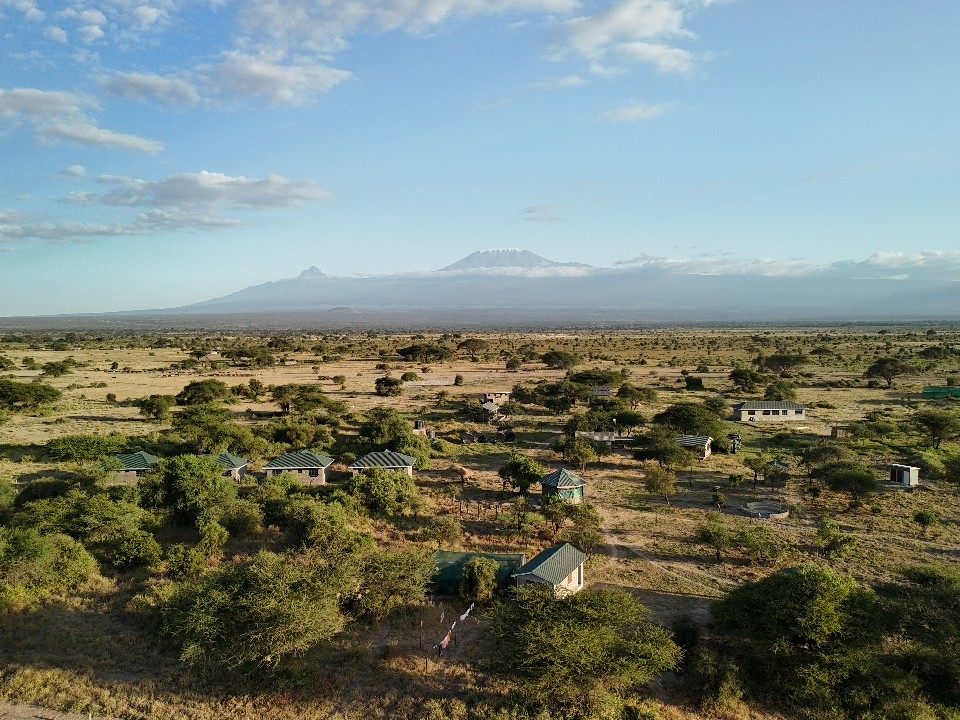
Rising majestically on the southern horizon, Mount Kilimanjaro (5,895m) acts as the climatic engine of the entire Amboseli basin. Precipitation and glacial snowmelt filter down through deep volcanic porous basalt, flowing hundreds of meters underground across the international frontier.
In the low-lying Amboseli depression, this cold subterranean aquifer resurfaces as permanent freshwater springs, creating the renowned Enkongo Narok and Longinye swamps. While the surrounding acacia savanna receives only 300–400mm of erratic annual rainfall, these perennial emerald wetlands provide an indispensable lifeline during harsh dry seasons.
Dry-Season Oasis
Sustains over 1,800 elephants & tens of thousands of pastoral cattle during dry months.
Kilimanjaro to Tsavo
Feeds underground springs reaching Tsavo West, Mzima Springs, and the Chyulu Hills.
Land of the Giants: 1,800+ Free-Ranging Elephants
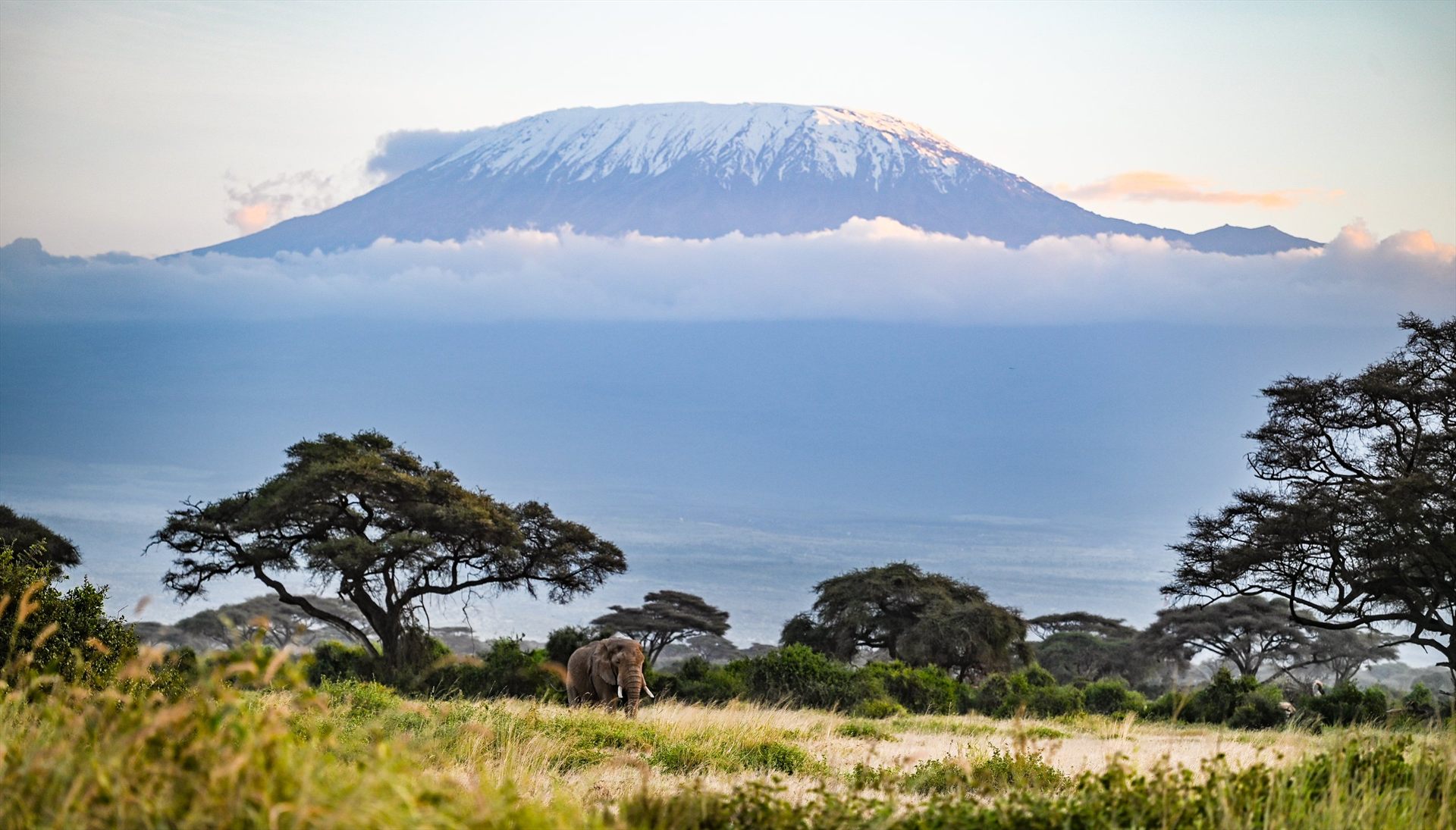
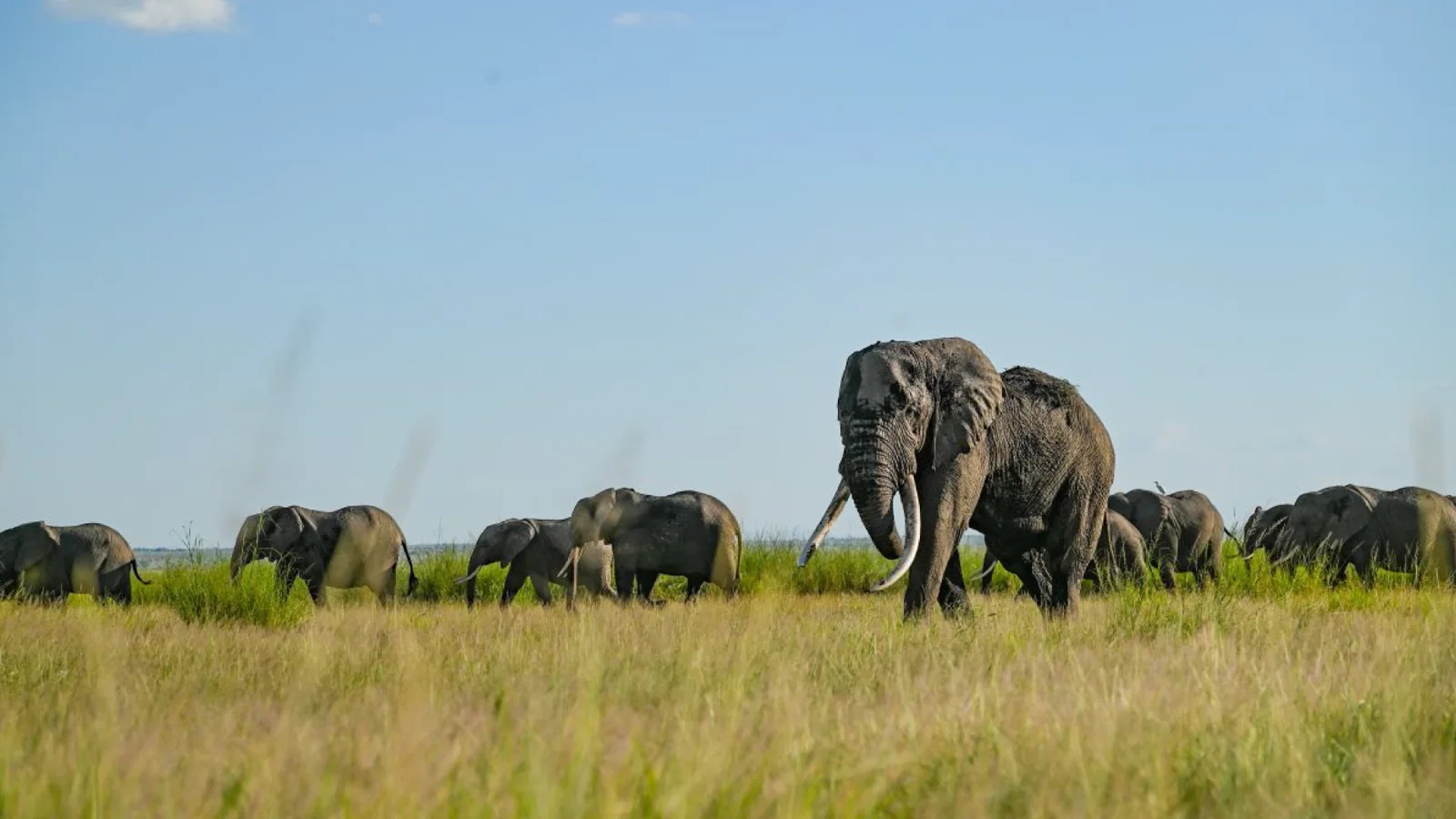
Amboseli is globally celebrated as the home of the African elephant. For over 50 years, the Amboseli Elephant Research Project (AERP)—founded by Dr. Cynthia Moss—has documented over 3,000 individuals across multi-generational family trees, making this the most thoroughly understood wild elephant population on Earth.
Crucially, over 90% of Amboseli’s wildlife lives outside the state-protected national park on community-owned group ranches and conservancies. The unfenced landscape allows elephants, lions, cheetahs, giraffes, and zebras to migrate freely along ancient biological pathways connecting Kilimanjaro, Tsavo West, and Chyulu Hills National Parks.
Key Conservation Challenges in Amboseli
Safeguarding an unfenced, living savanna is a complex human and ecological endeavor. True sustainability requires confronting urgent challenges that directly affect local communities, wildlife corridors, and tourism.
Human-Wildlife Conflict (HWC)
In an open ecosystem without fences, daily coexistence creates acute friction. Migrating elephant herds frequently enter community agricultural shambas, while large carnivores hunt near settlements, posing real risks of injury and economic loss.
Wildlife Losses & Compensation
When livestock are killed by predators or crops trampled by elephants, pastoral families face devastating shocks. Without prompt compensation, human resentment can lead to retaliatory spearing and poisonings that decimate predator populations.
Subdivision & Fragmentation
The transition from communal group ranches to individual titled plots threatens to shatter the savanna with fences, roads, and non-compatible agriculture, severing ancient wildlife migration corridors.
Climate Shocks & Droughts
Prolonged droughts driven by regional climate shifts decimate pastoral livestock herds and wildlife, degrading rangelands and pushing wild herbivores into farms in search of food and water.
The Economic & Social Value of Conservation
Conservation in the Greater Amboseli Ecosystem is a proven economic growth engine. Findings from the authoritative Economic Impact of Wildlife Conservation in the Amboseli Ecosystem, 2022–2023 report demonstrate how protecting savanna wildlife directly empowers communities and funds public services.
Community Land Leases & Dividends
Tourism partners and conservation donors pay guaranteed annual lease fees directly to registered landowners who dedicate their land to wildlife conservation.
Salaries & Local Careers
Conservation bodies and tourism camps employ over 1,300 staff members, injecting steady monthly purchasing power into pastoralist households.
Local Procurement & Supplies
Lodges and conservancies prioritize sourcing food, hardware, vehicle maintenance, and artisanal crafts directly from local businesses in Loitokitok and Kimana.
Education, Health & Water
Direct reinvestment of conservation revenues into local schools, clean water boreholes, road maintenance, and health clinics benefiting thousands of pastoral families.
Comparing 2018 and 2023 Metrics
Since the inaugural baseline survey in 2018, the Amboseli Ecosystem has demonstrated remarkable resilience, expanding its economic footprint and community reinvestment across every key indicator.
Total Economic Contribution
Community Land Lease Fees
Wildlife-Related Losses Paid
Direct Conservation Spend
Local Community Procurement
School Bursaries & Training
Permanent Employment
Female Staff & Rangers
Casual & Seasonal Labour
Data Attribution & Survey Methodology Note
Report Source: All figures above are verified and published in the Economic Impact of Wildlife Conservation in the Amboseli Ecosystem, 2022–2023 Survey Report, produced by Amboseli Ecosystem Trust (AET) covering the financial period from 1 July 2022 to 30 June 2023.
Methodology & Scope: Data was gathered through a structured questionnaire administered to conservation organizations, safari operators, and community trusts. 23 respondents participated out of 42 organizations approached, representing an authoritative 54% response rate. Metrics on guest occupancy, local procurement, and compensation directly represent surveyed bodies; total landscape impact is estimated to be higher.
Discover the 42 Community Conservancies
See how Amboseli’s 42 conservancies are organized across 6 major landscape groups, protecting 676,322 acres of unfenced wildlife corridors while generating direct income for over 15,000 pastoral families.